01 · Explore
Isaac Johan Ziebarth
I write software that flies, drives and finds its way. Here is a pocket-sized Theseus V running the autonomy it ran at the 2026 Australian Rover Challenge, where we placed 1st of 17: a Livox MID-360 maps, two 60° cameras find the markers, and A* plans round its own footprint. It keeps covering new sectors for as long as you watch.
Theseus V has no 2D LiDAR. Its ground filter keeps MID-360 returns 0.08 to 1.0 m up and Nav2 plans on them, on KISS-SLAM's 15 cm occupancy grid; an earlier build sliced the cloud into a 2D scan with pointcloud_to_laserscan. ■ occupied · ■ footprint · ■ cost · ■ latest scan
02 · Projects
Projects
Hover a card and its model moves; its real figure wakes up in the panel. Click for the full file.Tap a card to open its write-up.
Theseus V rover autonomy
Team project · UQ Space · 2025–26
1st of 17
HAVOC-2 firmware and COSMOS ground station
Team project · UQ Space · 2026
about 540 m, every frame passed
OSIRIS flight computer
Personal project · 2026
0 ERC errors
Airbrake control simulation
UQ Space · simulation study · 2026
200 simulated flights
Digital orrery and transfer planner
Personal project · 2025–26
0 bad arcs in 14,240 cells
Launch-site weather station
Team project · UQ Space · 2026
98,218 rows passed
Operator tools for Errol, an autonomous research car
UQ Winter Research Program · 2025
ROS 2 simulator + operator tools
A steered cutter pod for a tunnel-boring robot
METR4810 · team of 4 · 2026
steered cutter pod
Ball joint and mount for a security camera
Personal project · 2022
fitted in 4 weeks
Remote-controlled firefighting vehicle
First-year team project · 2022
5 of 6 targets out
03 · Coursework
Coursework
9 pieces from my degree at UQ, newest first. Each says whether it was mine alone or a team effort.
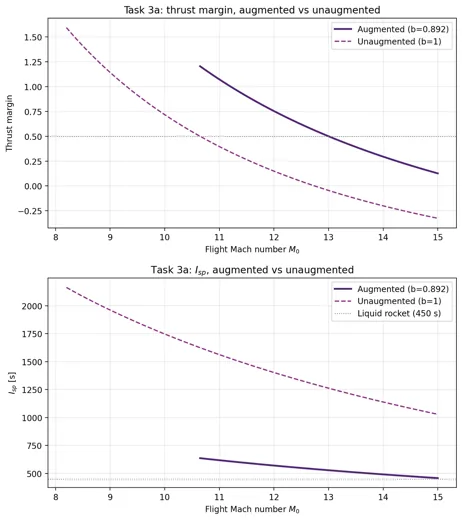 AERO4450 · 2026Scramjet cycle with nitrous augmentationPart 1 on my own, final report in a team of 2
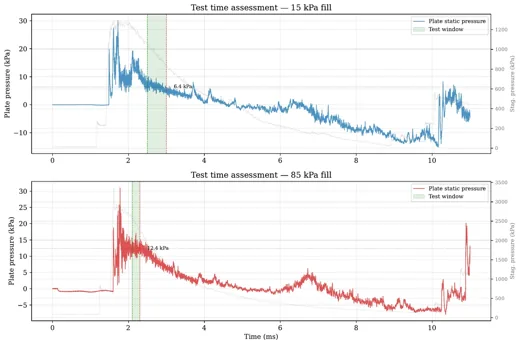 AERO4470 · 2026Reflected shock tunnel analysismy own report on shots taken for our class group
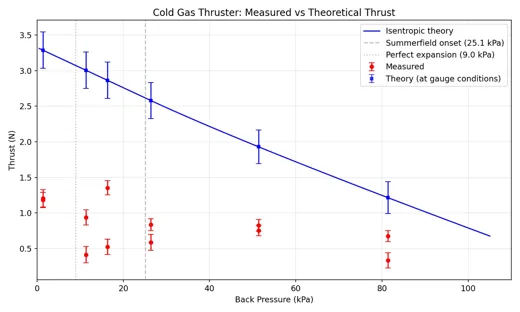 AERO4450 · 2026Cold gas thruster against nozzle theorylab in a group of 8
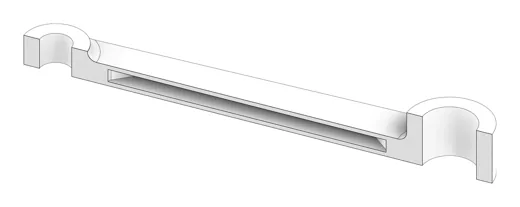 MATE7015 · Sep – Oct 2026Titanium crank arm for metal 3D printingon my own
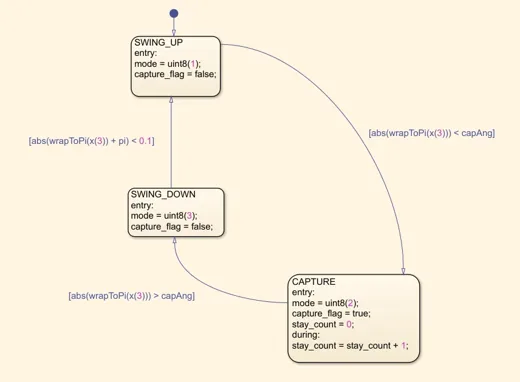 METR6203 · 2025Control design for three rigstwo team assignments and one on my own
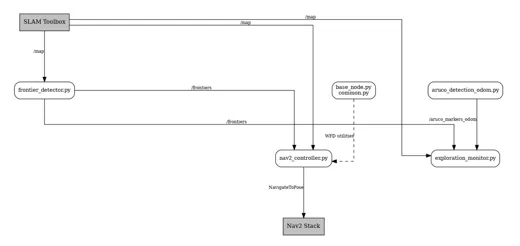 METR4202 · 2025Autonomous exploration and marker searchteam of 4
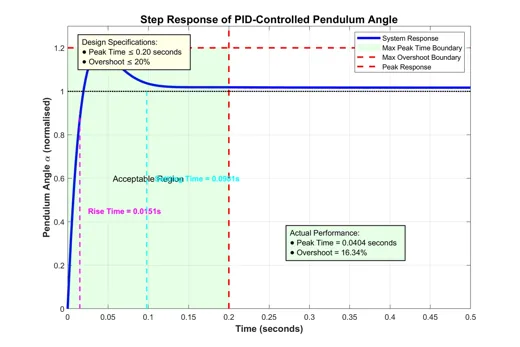 METR4201 · 2025Furuta pendulum balance controlleron my own, in simulation
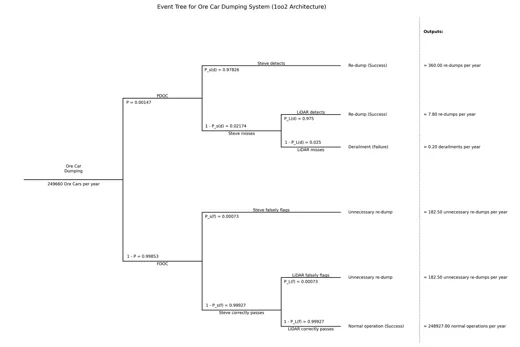 METR3100 · 2025Functional safety case for a LiDAR checkteam of 5; I did the analysis and wrote the report
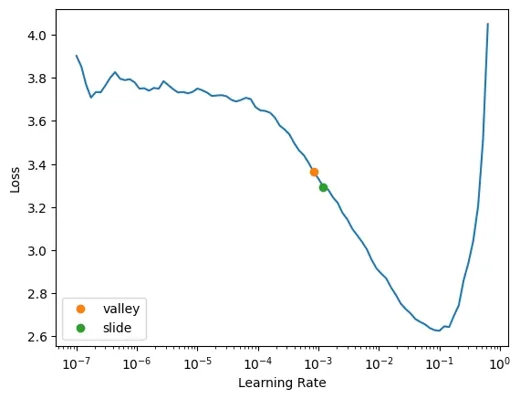 ELEC4630 · 2025Road signs and rice leaf diseaseon my own
04 · Systems, running
Two systems you can poke
Airbrake controller, on my airbrake design
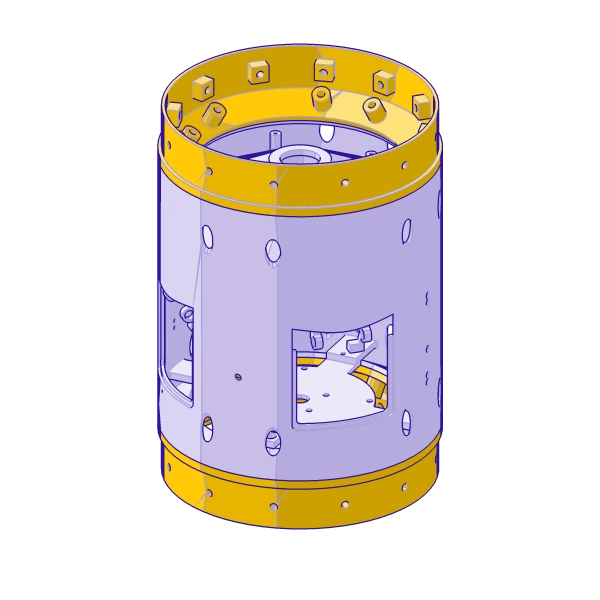
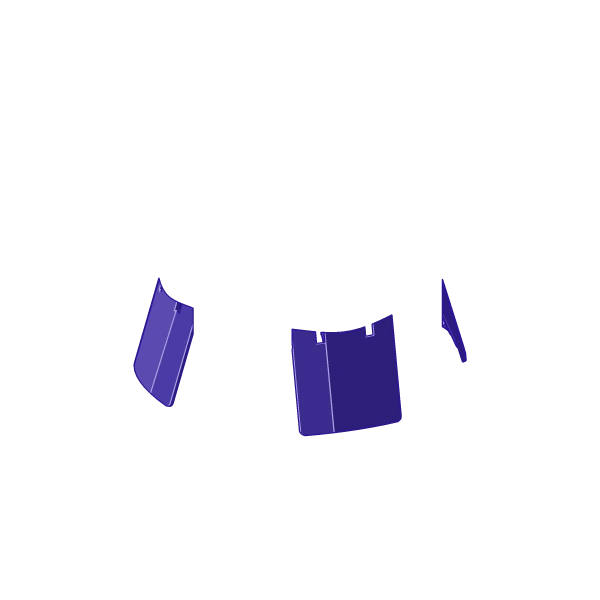
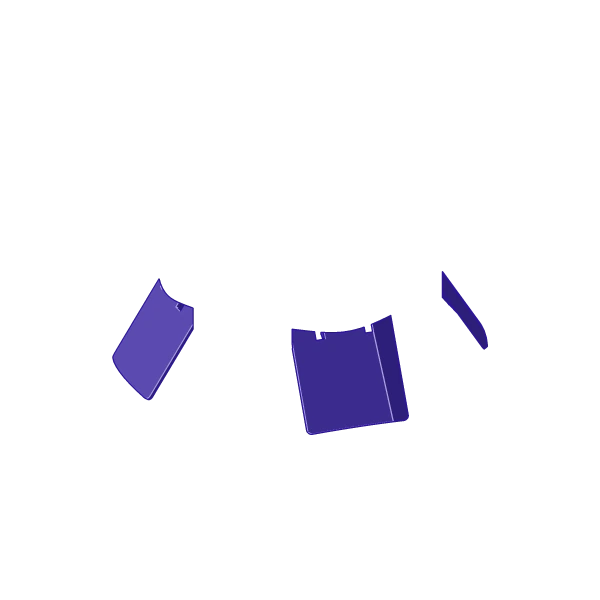
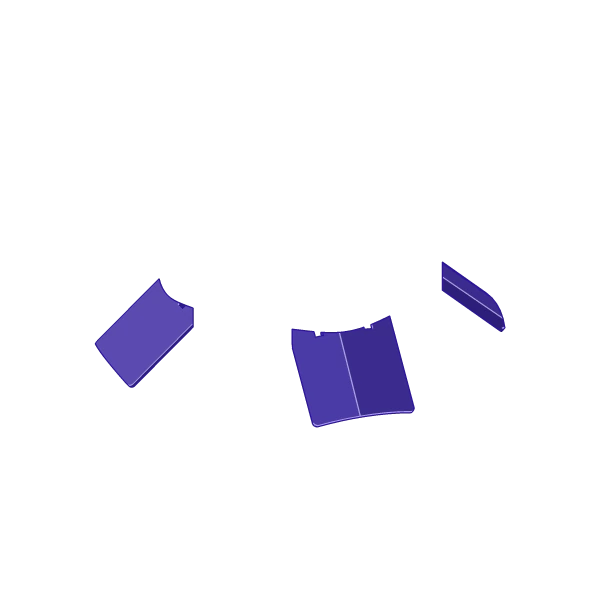
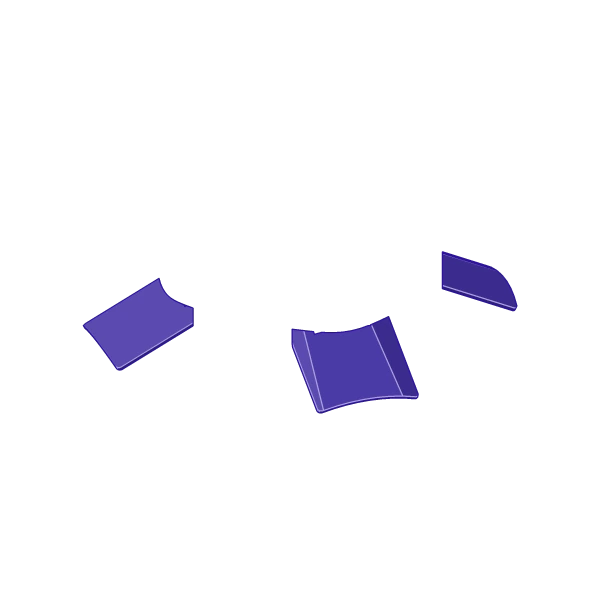
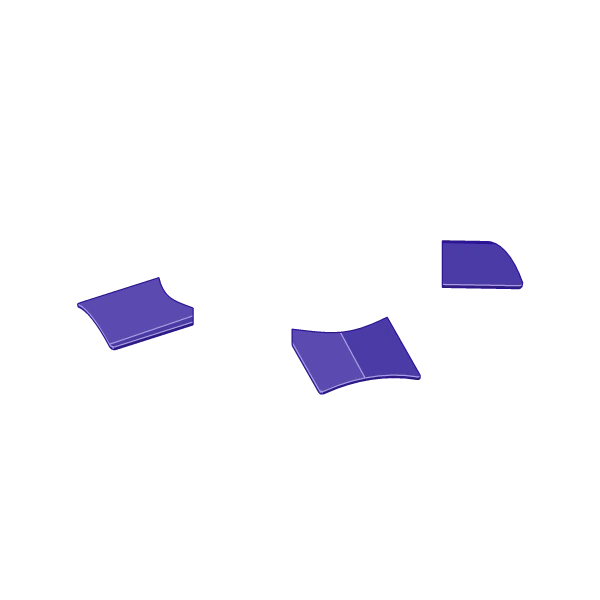
scrub along the graph · drag the yellow targetAfter a 2.5 s lockout past burnout, the controller predicts apogee every step and opens the brakes to land on the target; on the right is my FHC-1 airbrake module from its CAD, in the 30kAB layout C airframe from our OpenRocket model, its four flaps turning on their real hinges. Illustrative drag model, not the Hera study: there, three of my four controllers hit a 2,900 m target within about 4 m RMS on 177 reachable simulated flights.

OSIRIS V0 on the logic analyser
hover a partThe buses are the real V0 netlist: the IMU on SPI1, the barometer and power monitor on I²C1, the microSD on SPI2, a UART out to a JST-PH port, and power from the XT30 through the INA228 shunt and arming key to the buck. Wire colours follow the IEC 60757 codes in the avionics wiring standard I drafted. Traffic timing is illustrative.
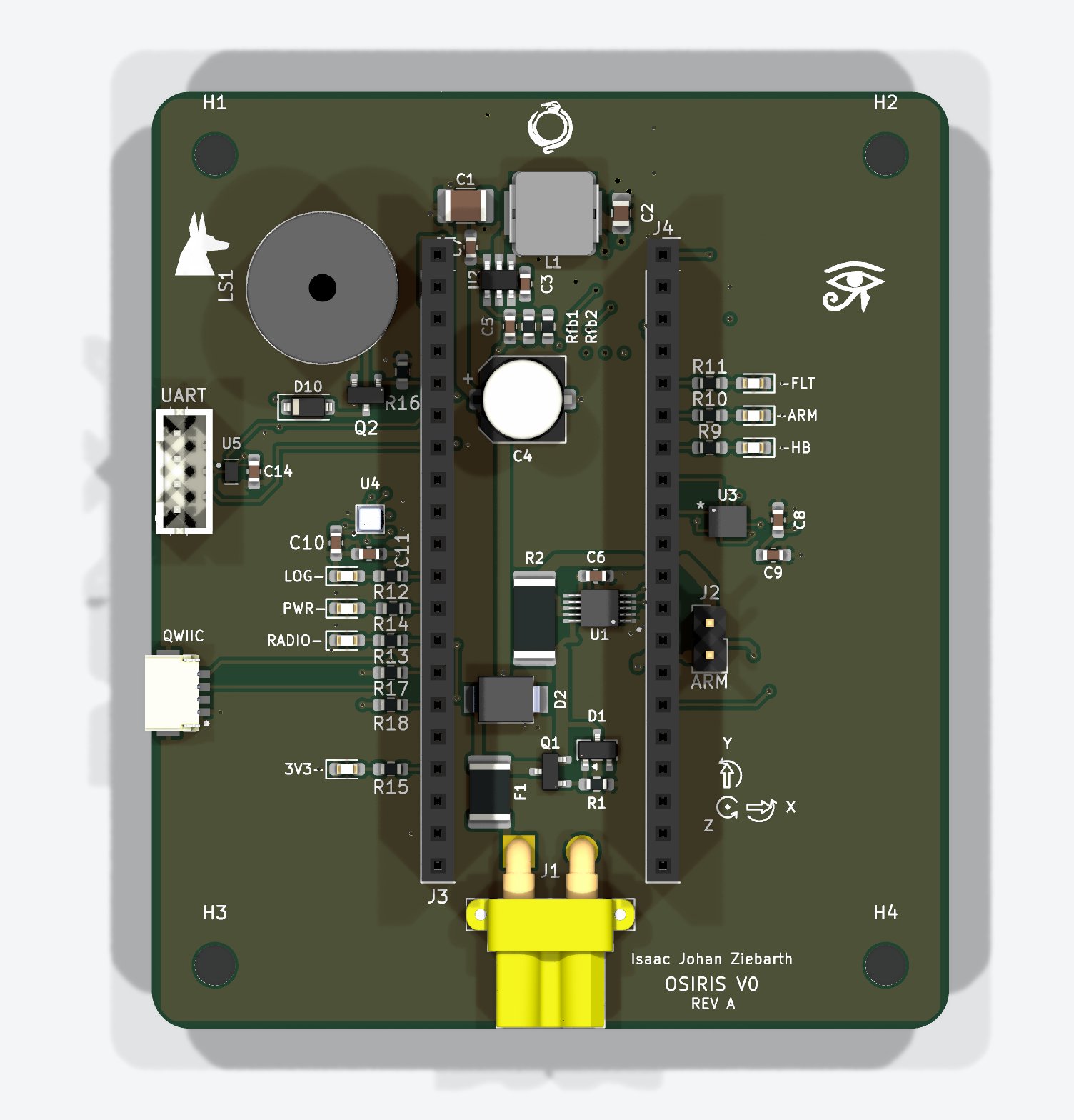
Parts light up green while their bus is talking. Hover a numbered part to isolate its bus.
05 · Space
Drag the launch
Pick a launch date and a flight time to Mars. Every move runs a real Lambert solve with my digital orrery's own code and redraws the transfer; the meter shows what it costs from a 200 km Earth orbit to capture at Mars. Find a cheap one and launch it.
-
-
-
Loading the solver...
06 · About
The engineer
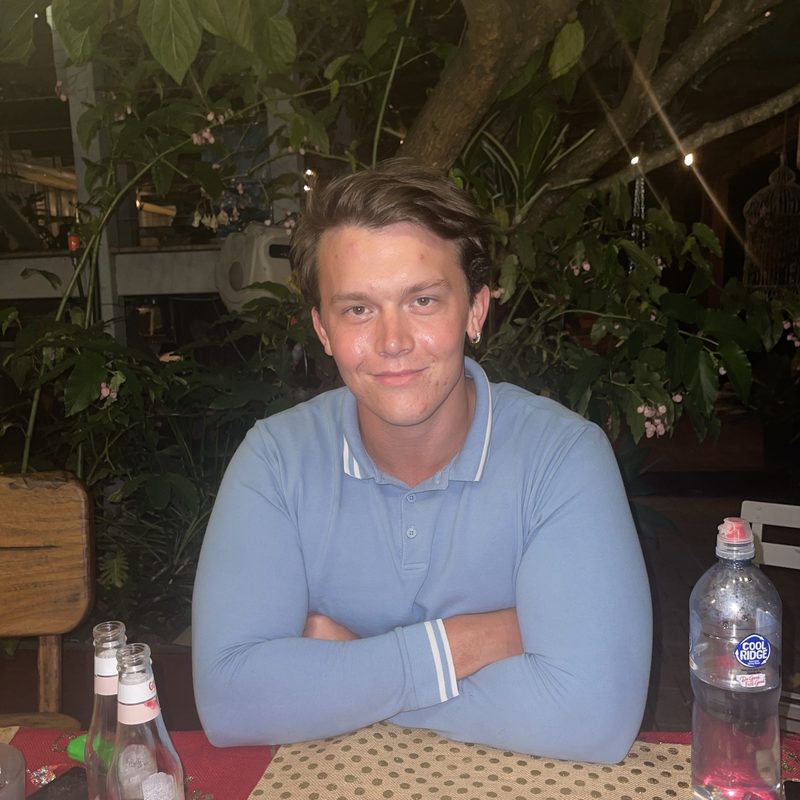
I'm studying mechatronic engineering at UQ (BE(Hons)/ME, finishing in 2027), and I like building things that have to work outside the lab.
At UQ Space I wrote the autonomy stack and ground control station for Theseus, our rover, and the team placed 1st of 17 at the 2026 Australian Rover Challenge. On the rocket side I wrote the flight firmware for HAVOC-2, our flight computer, and built COSMOS, the ground station we run at launches.
I led the avionics team of about 25 until November 2026. As lead I set up its 4 subteams and wrote the avionics sections of the critical design review for the 2027 rover competition, along with a requirements verification matrix. I handed the lead over to make room for my research assistant role and a Master's placement in Semester 1, 2027. I've stayed on the team as an engineer, and I advise the new Lead and Deputy Lead. I'm still working on the rocket and rover ground control stations, PCB design and the Theseus VI autonomy stack.
I also work part-time as a research assistant in UQ's School of EECS, on PX4 flight-control software and modelling. The part of engineering I enjoy most is modelling: taking a real system and building a model that predicts how it will behave.
PX4 flight control and modelling, UQ School of EECS
Ground stations, PCBs and the Theseus VI autonomy stack
Open to internships and graduate roles in avionics, autonomy and GNC.
07 · Experience
Service record
- Avionics EngineerUQ SpaceNov 2026 – present
- Research Assistant (part-time)School of EECS, The University of QueenslandSep 2026 – present
- Lead Avionics EngineerUQ SpaceOct 2025 – Nov 2026
- Avionics EngineerUQ SpaceSep 2024 – Oct 2025
- Winter Research StudentSchool of Mechanical and Mining Engineering, UQ (Errol, the autonomous research car)Jun – Jul 2025
- Casual TechnicianSustainable Minerals Institute, UQJan – Feb and Jul – Dec 2024
- Winter Research StudentSustainable Minerals Institute, UQJun – Jul 2023
Bachelor of Engineering (Honours) and Master of Engineering, Mechatronic Engineering, The University of Queensland. Expected Nov 2027.
08 · Graduating 2027 · avionics, autonomy, GNC